
Every game presented by an online casino contains a built-in mathematical edge for the operator, and understanding this concept alters how you approach your leisure time malinacasinofr.eu. We describe this advantage as the house edge, a proportion that reflects the average gross profit the casino anticipates to hold from each wager over the long run. It does not determine what will happen during a single session, but it does explain the inevitable gravitational pull that shapes outcomes across millions of spins or hands. For players in France investigating platforms like Malina Casino, mastering this concept is the first step toward making informed decisions about where to place your stake. We want to walk you through the mechanics, the variations across different game categories, and the practical steps you can use to keep the entertainment value high while accepting the arithmetic reality that supports the entire industry.
Practical Strategies to Apply House Edge Awareness Throughout Your Play
Understanding the house edge is useful, but the real benefit comes from translating that understanding into practical habits. We recommend three key practices that cost nothing and visibly improve your long-term position. First, always check the RTP of a game before you wager real money, and prefer titles with declared returns of 96% or higher when playing slots. Second, if you enjoy table games, invest a few hours in learning basic strategy for blackjack or learning the optimal bets in baccarat and craps; this is the only way to actively reduce the edge you face without relying on luck. Third, treat bonuses as mathematical adjustments to the edge during the wagering period, and determine whether the turnover requirement is achievable given the games you intend to play and their respective contribution rates.
Beyond these active measures, we encourage adopting a session-based bankroll approach that recognizes the house edge without letting it dominate your thinking. Decide in advance how much you are willing to lose in a session, and view that amount as the cost of your entertainment. If you happen to finish ahead, that is a bonus, not an expectation. The house edge guarantees that the operator will profit over the aggregate, but it does not guarantee that you will lose tonight, next week, or even this month. By respecting the mathematics while accepting the role of chance in short-term outcomes, you position yourself to enjoy the experience without the psychological weight of feeling cheated by a force that was always revealed. The edge is not a secret; it is the price of the game, and informed players pay it knowingly.
- Check the published RTP for any slot before your first spin; the info panel is usually one tap away.
- Select European roulette over American roulette, and seek out la partage tables for even-money bets.
- Study basic blackjack strategy from a reliable chart; it is free, legal, and shrinks the edge to its minimum.
- Finalize account verification early to avoid withdrawal delays unrelated to game mathematics.
- Play in your native currency to eliminate conversion fees that silently reduce your effective balance.
The reason the House Edge Is Not a Short-Term Predictor
We discussed variance, but it deserves deeper scrutiny because misreading this element leads to the frequent player frustration. The house edge is a limit that the actual return converges on as the number of trials approaches infinity. In a single evening of play, you may have a few hundred spins on a slot or a few dozen hands of blackjack. At these sample sizes, the observed return can differ significantly from the theoretical RTP. A slot with a 96% RTP can give back 40% of your stake over 200 spins or 150%, and either scenario contradicts the published figure. The mathematics of independent trials ensures that short-term results are controlled by luck, while the house edge only emerges through the law of large numbers operating across the entire player base over months and years.
This is why we highlight that the house edge should inform your game selection and bankroll management strategy, not your expectations for tonight’s session. If you are set to play for two hours with a fixed budget, choosing a low-edge game raises the probability that your bankroll will last through the session, but it does not secure it. Conversely, a high-edge game does not sentence you to a loss; it simply intensifies the statistical slope you are climbing. The practical implication is that you should never chase losses under the assumption that the house edge „owes“ you a win. Each spin, hand, or dice roll is an independent event with no memory of what came before. The edge does not fluctuate; it is a constant, silent pressure that operates on aggregate wagers, not individual sequences.
Transaction Options, Settlement Periods, and the Cost of Getting Your Winnings
While the casino advantage dictates the price of gambling, the monetary framework linked to your account brings different aspects that affect your complete journey. Adding money is typically instant with the majority of options, like credit and debit cards, e-wallets, and bank transfers, however some options may carry small transaction costs depending on the provider. Withdrawals bring a time delay that varies by method. E-wallet cashouts are often handled within 24 hours once your account verification is finished, while bank transfers and card cashouts can need between three and five business days. These timeframes are not a hidden edge, but they represent a duration during which your funds are moving, and grasping them aids you plan your cash flow realistically.
We also intend to highlight that currency conversion fees can slowly reduce your account if you deposit and play in a currency different from rtl.be your home currency. For players in France, picking a platform that offers euro-denominated accounts removes this issue entirely. Malina Casino operates with euro as a primary currency, which means you sidestep the small but accumulating cost of conversion differences on every deposit and withdrawal. Beyond currency, the authentication procedure itself is a legal necessity intended to stop fraud and money laundering. You will be required to submit proof of identity and address before your first withdrawal is granted. We suggest doing this step in advance rather than hesitating until you have a outstanding cashout, as it removes the only non-game variable that can delay access to your winnings.
Describing the House Edge in Precise Terms
The house edge is the calculated expression of the casino’s numerical superiority in a particular game. It is calculated as the difference between the true odds of a specific outcome occurring and the payout odds the casino truly offers when that outcome happens. If a bet should pay 37 to 1 based on pure probability, but the casino pays only 35 to 1, the gap between those two figures manifests into the house edge. We can state this as a percentage of each wagered unit that the house expects to retain over an extended sequence of play. A game with a 2% house edge theoretically returns 98% of all wagered money to players collectively over time, while the operator retains 2% as revenue. This is not a fee deducted per spin or hand; it is a long-term statistical expectation embedded into the payout structure itself.
It is essential to separate the house edge from the concept of short-term variance. Variance, or volatility, describes the frequency and size of payout fluctuations you encounter during a single session. A slot machine with a 4% house edge can still provide a massive jackpot to one individual while another player depletes their balance quickly. The house edge does not determine your personal result tonight; it calculates the aggregate outcome across all players over thousands of rounds. We often see players mix up a winning streak with a game having a low house edge, but the two are independent in the short term. The edge works silently in the background, grinding away at the total sum of wagers placed, oblivious to individual hot streaks or cold runs. Recognizing this distinction helps you set realistic expectations before you even open a game.
The Link Between Bonuses and the Effective House Edge
Welcome deals and ongoing promotions change the mathematical balance of your play, at least temporarily. When you claim a deposit match bonus, the operator is practically putting extra money into your account that can absorb the house edge during the wagering requirement period. A 100% match bonus with a 35x turnover requirement signifies you have to play through the bonus amount 35 times before withdrawing. During that required play, the house edge will, on average, diminish a portion of the bonus. However, if you opt for games with a low house edge and high contribution rates, you can retain a significant fraction of the bonus value. We view this as a negotiation between you and the operator: they provide extra ammunition, and the house edge determines how much of it survives the mandatory play.
It is essential read the details regarding game weighting. Slots typically account for 100% toward wagering requirements, meaning every euro wagered counts fully. Table games often contribute far less, sometimes as low as 5% or 10%, and some are excluded entirely. This weighting is the operator’s way of preventing players from exploiting low-edge games in converting bonus funds into withdrawable cash at minimal risk. We do not regard this to be unfair; it is a transparent rule you can take into account into your decision before you opt in. Compute the actual cost of the wagering requirement by multiplying together the required turnover by the house edge of your intended game. Should the resulting figure is less than the bonus amount, the promotion has positive expected value. When it is higher, the bonus is primarily a means for longer playtime as opposed to a true financial advantage.
Contribution of Wagers and Qualifying Games
Multiple game categories contribute unevenly to clearing bonus terms, and this directly affects how the house edge engages with promotional funds. A typical structure might see slots contributing 100%, live dealer games representing 10%, and classic table games like blackjack and roulette contributing 5% or even 0%. This implies that if you wager €100 on blackjack, only €5 may apply toward your turnover target. The house edge on that blackjack hand is low, but the reduced contribution rate effectively forces you to place far more real-money wagers to unlock the bonus. We recommend checking the contribution table before you start playing with an active bonus, as switching games mid-session can lead to unexpected shortfalls in your wagering progress.
Highest Bet Limits During Bonus Play
Almost every bonus includes a maximum bet restriction during the time the wagering requirement is active, typically capped at €5 per spin or hand. Exceeding this limit can void the bonus and any winnings earned from it. This rule is in place to prevent players from placing a few high-variance bets to either quickly clear the requirement or bust out in the process. From a house edge perspective, the bet cap forces you to spread your wagering over a larger number of rounds, which brings the actual return nearer to the theoretical RTP. This is mathematically favorable for the operator, as it reduces the chance that a single lucky high-stakes bet allows a player to withdraw bonus-derived funds before the edge has had sufficient trials to operate. We advise setting your bet size safely below the cap to avoid accidental breaches and to extend your session duration.
Device Compatibility and the Uniformity of the House Advantage
The house edge is mathematically identical regardless of whether you play on a desktop computer, a slate device, or a smartphone. The random number generator and payout tables do not vary based on your device, and any suggestion to the contrary is a falsehood. What does differ is the user experience , the screen design, and sometimes the game selection, as outdated titles built on Flash technology are no longer supported on current mobile software. We have tested the mobile experience in depth, and the existing generation of HTML5 games provides the precise same RTP and volatility profile as their desktop versions. The convenience of mobile play does not arrive at the cost of poorer odds, which is an key assurance for players who like to play a few rounds during a commute or while unwinding away from a desk.
That noted, mobile play brings behavioral factors that can subtly impact your connection with the house edge. A smaller screen can make it more difficult to locate the game information panel where RTP figures and paytable details are displayed. We recommend taking a moment to find this information before you begin playing on any new device, as understanding the theoretical return is part of playing sensibly. Additionally, the ease of mobile access can encourage more concise, regular sessions, which increases the role of variance in your observed results. You could check your balance more frequently and respond to swings that are statistically insignificant over a limited sample. The edge does not care how you reach the game, but your understanding of it should be steady irrespective of the screen in your hand.
The Business Side: How Casinos Handle and Validate the Margin
Reputable online casinos do not covertly adjust the house edge on a per-player or per-session basis. The games are provided by third-party studios that build the math into the software, and the casino embeds these games into its platform without modifying the core random number generator or payout logic. Oversight agencies in jurisdictions that license operators serving France require that games be certified by independent testing agencies. These agencies simulate millions or billions of rounds to verify that the actual RTP matches the theoretical value claimed by the developer. They also examine the random number generation algorithms to ensure outcomes are not predictable or manipulable. When you play at a licensed platform like Malina Casino, the house edge you face is the one reported, and it is subject to ongoing compliance checks.
From the operator’s perspective, the house edge is the motor of their business model, but it is a long-term, aggregated engine. The casino does not necessitate you to lose tonight for the model to work; it demands the collective handle across all players to generate a margin that covers operating costs, payment processing, affiliate partnerships, and profit. This is why bonuses and promotions are provided. A welcome offer or a reload bonus effectively diminishes the house edge on the wagering you complete with bonus funds, at least until you meet the turnover requirements. We see this as a calculated customer acquisition cost for the operator, and a legitimate value opportunity for you, provided you comprehend the terms associated. Always read the wagering contribution percentages, as playing high-edge slots often fulfills bonus requirements faster than low-edge table games, which may contribute little or nothing toward the turnover target.
Regulation, Safety, and Why Jurisdiction Matters for Integrity
The casino advantage is only meaningful if the game operates as described, and that assurance comes from the regulatory framework under which the casino functions. A legitimate license requires the provider to submit to periodic audits, maintain protected player funds, and adhere to stringent technical standards for random number generation. For players in the French market, the regulatory environment is particular, and choosing a platform that holds a recognized European license is a fundamental baseline for trust. The license provides certainty that if a dispute arises over a game’s fairness or a payout, you have a official avenue for complaint and settlement. We view this the fundamental cornerstone that makes the full discussion of house edge pertinent; without it, the stated percentages are just numbers on a screen with no implementation behind them.
Safety protocols like SSL encryption protect your personal and financial data, but they do not immediately affect the house edge. However, they contribute to the comprehensive integrity of the platform. A casino that commits in strong security infrastructure and clear terms is signaling that it runs a enduring business model built on the authorized house edge, not on unclear practices. We always verify that a platform displays its licensing information prominently, usually in the website footer, and that the license number can be validated on the regulator’s official register. This verification takes two minutes and affirms that the house edge you are encountering is the actual, audited figure, not an unknown variable. At Malina Casino, the licensing details are accessible and checkable, which corresponds with the transparency we anticipate from any operator we would suggest.
The way the House Edge Differences Across Important Game Categories

No all games are alike, and the house edge differs significantly depending on the rules and the random number generation mechanics used. We can categorize most casino games into separate categories where the edge operates otherwise. Slot machines typically carry a house edge ranging from approximately 2% to 8% or higher, depending on the title, the jurisdiction, and the operator’s configuration. Table games like blackjack and baccarat regularly feature significantly lower edges, at times dipping below 1% when you use optimal strategy. Video poker stands in a distinct middle ground, with certain pay tables giving a house edge under 0.5% if you play every hand perfectly. Live dealer games broadcast from studios generally mirror the mathematics of their physical counterparts, however specific rule variations can nudge the edge slightly up or down.
The essential point here is that your pick of game directly influences how long your bankroll might last under average conditions. A player devoting an hour on a high-edge slot will, statistically, lose more per unit wagered than a player spending the same hour at a low-edge blackjack table with perfect basic strategy. This does not render one game fr.wikipedia.org higher in an absolute sense; slots offer a different rhythm, higher volatility, and jackpot potential that blackjack cannot match. We urge you to check the theoretical return-to-player (RTP) percentage listed for each game, which is simply the inverse of the house edge. A game with a 97% RTP has a 3% house edge. At Malina Casino, you can typically find this information in the game’s help section or info panel, permitting you to compare titles before committing real funds.
Video Slots and the RTP Percentage Spectrum
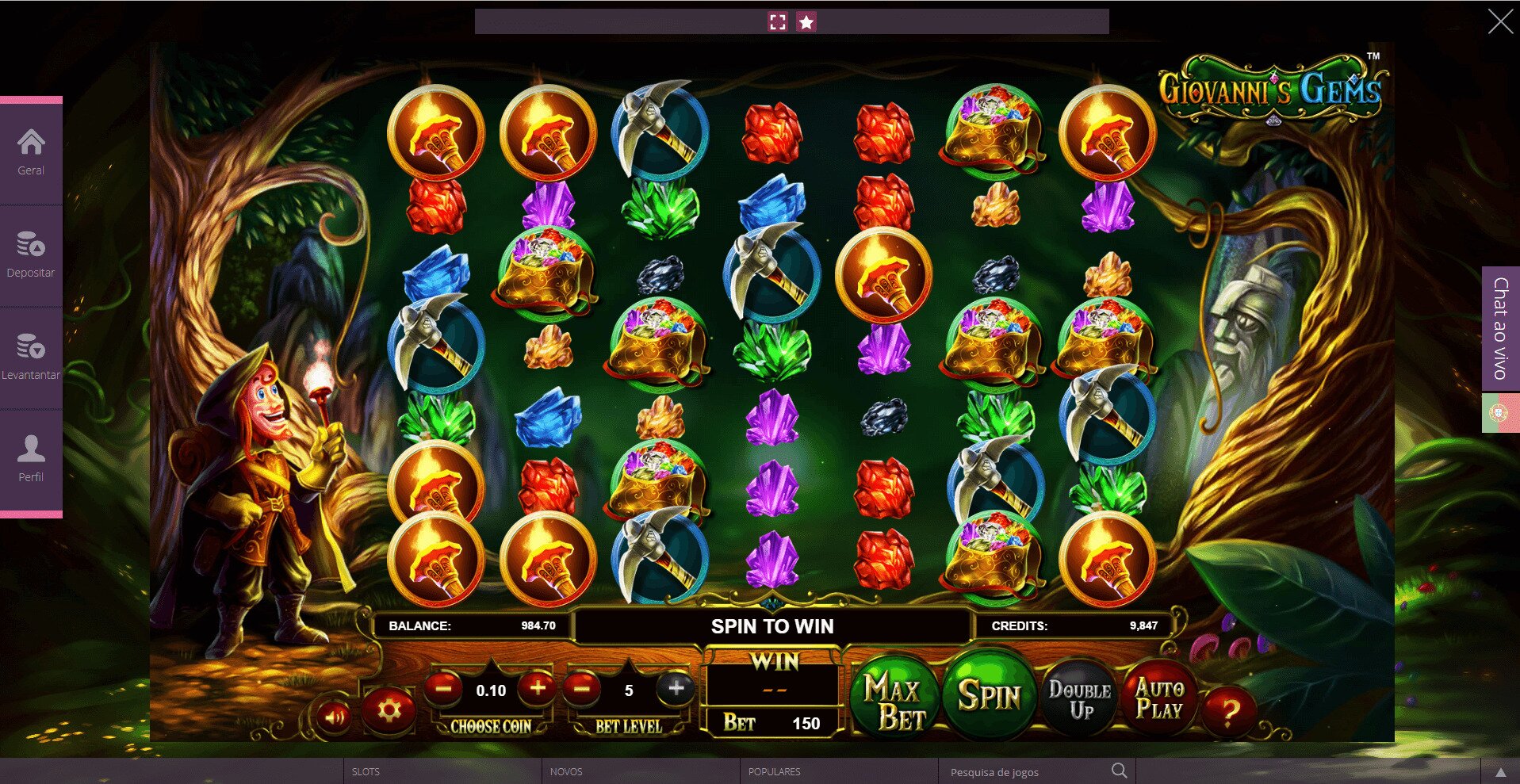
State-of-the-art video slots are intricate pieces of software wherein the house edge is spread across thousands of possible reel combinations. The RTP of a slot is built into the game by the developer and verified by independent testing laboratories. We commonly see online slots in France offering RTP values between 94% and 98%, though some progressive jackpot titles dedicate a portion of each wager to the pooled prize, which can diminish the base game RTP while generating life-changing winning potential. The house edge in slots is not modifiable by the casino on a whim; it is ingrained into the game file, and reputable operators like Malina Casino use games from regulated providers whose RTP figures are audited and publicly recorded.
What renders slots particularly interesting from a house edge perspective is how the edge influences bonus features. A game might promote a 96% RTP, but that return is calculated over billions of simulated spins and includes the theoretical contribution of free spin rounds, multipliers, and bonus games. During your session, you might face long dry spells where the base game returns well below the theoretical RTP, followed by a bonus round that partially corrects the balance. This uneven distribution of returns is what gives slots their characteristic volatility. We advise treating the house edge on slots as a long-term average that you are unlikely to witness in a single sitting, and instead focusing on whether the game’s theme, pace, and bonus frequency align with your entertainment preferences.
Table Game Options and the Influence of Player Decisions
Table games introduce a factor that slots lack entirely: your decisions can affect the effective house edge you face. In blackjack, the house edge against a player making random decisions might exceed 2%, but a player who memorizes and applies basic strategy can compress that edge to around 0.5% under standard rules. This is a dramatic reduction, and it comes completely from your willingness to learn the optimal move for every possible hand combination against every dealer upcard. We see this as the most empowering aspect of table game play; the casino still holds an edge, but you have agency in minimizing it to a razor-thin margin. Baccarat offers a simpler decision tree, with the banker bet carrying a house edge of approximately 1.06% and the player bet around 1.24%, making it one of the most straightforward low-edge options available.
Roulette warrants close consideration because the house edge is fixed and completely unrelated to your betting choices, yet it changes markedly between the two main variants. European roulette, with its single zero pocket, applies a house edge of 2.70% on all bets except one. American roulette adds a double zero pocket, nearly doubling the house edge to 5.26%. This single rule difference is one of the most obvious examples of how game selection directly impacts your expected loss per spin. In France, European roulette is the standard offering, and we strongly suggest opting for it over any double-zero variant if you have the option. The mathematics are unequivocal: over 100 spins wagering €10 each, your theoretical loss on European roulette is €27, while on American roulette it increases to €52.60, for the exact same betting experience.
„La Partage“ Rule and How It Affects Even-Money Bets
French roulette often includes a rule called „la partage,“ which is particularly relevant for players in France. This rule governs even-money outside bets such as red/black, odd/even, and high/low. When the ball lands on the single zero, instead of losing your entire wager, you give up only half of it. This seemingly small adjustment reduces the house edge on those specific bets from 2.70% to 1.35%. We view this among the most player-friendly rules in the entire casino environment, and it is a direct mathematical concession that lowers the operator’s advantage. If you appreciate roulette and opt for the lower volatility of even-money wagers, looking for tables that enforce the la partage rule is a concrete, actionable way to improve your expected return without changing how you play.
Choosing a Platform That Aligns With an Informed Player’s Preferences
When you internalize the mechanics of the house edge, your criteria for picking an online casino change. You begin to value openness of RTP figures, the access of low-edge table games, clear bonus terms, and verifiable licensing above superficial features like flashy animations or aggressive marketing. A platform that facilitates to find game information, that offers European roulette with la partage, that discloses its licensing details openly, and that handles withdrawals in a reasonable timeframe is a platform geared toward players who understand the mathematics. We find that Malina Casino meets these criteria, delivering a curated library of games from audited providers, euro-denominated accounts that avoid conversion friction, and a mobile experience that retains full game functionality without compromising RTP.
The house edge is not an enemy to be overcome; it is a cost to be controlled. Every form of entertainment has a cost, be it a cinema ticket, a streaming subscription, or a meal out. Casino gaming simply shows its cost as a statistical expectation rather than a fixed price. By choosing games with lower edges, grasping the terms of the bonuses you accept, and setting firm session limits, you control the rate at which that cost accumulates. The operator offers the platform, the games, and the security; you provide the discipline and the informed decision-making. That partnership, based on a clear-eyed view of the mathematics, is the healthiest foundation for any engagement with online casino entertainment. We urge you to take the knowledge from this article and apply it directly: check an RTP, compare two roulette variants, or read a bonus terms page with fresh eyes. The edge is always there, but now you see it clearly.